Rāda ziņas ar etiķeti design. Rādīt visas ziņas

trešdiena, 2013. gada 20. marts

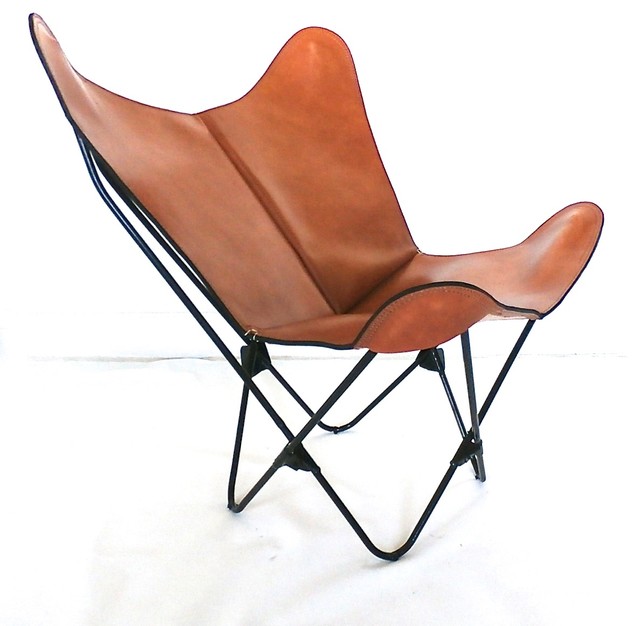
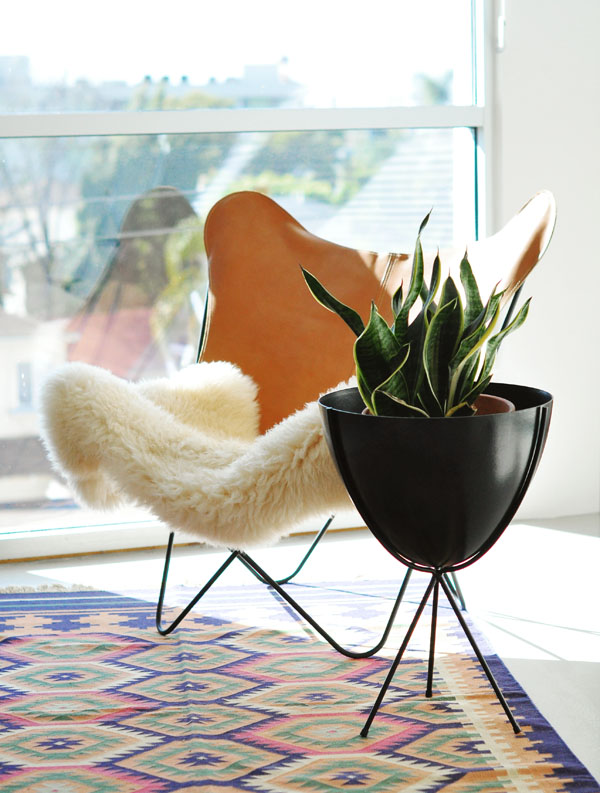
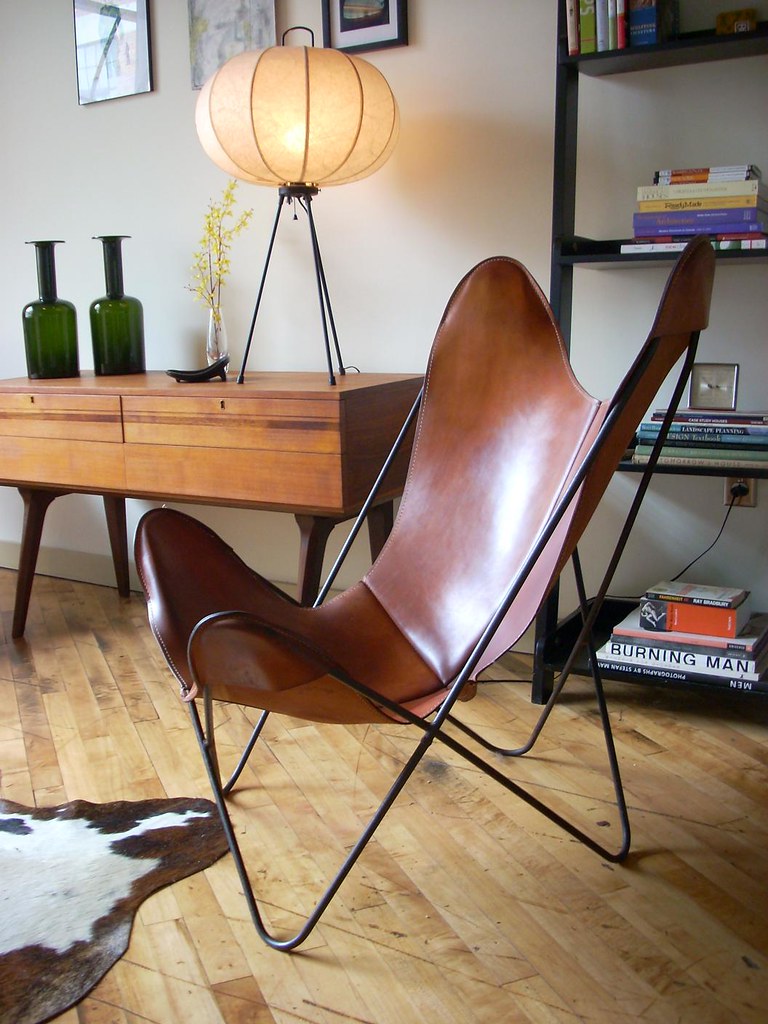
Butterfly Chair: jaunums xcelsior piedāvājumā!


Cuero Design Butterfly Chair

Trīsdesmitajos gados divi jauni arhitekti – Juan Kurchan un Jorge Ferrari Hardoy atgriezās Buenosairesā kopā ar savu kataloņu kolēģi Antonio Bonet i Castellana. Trio jau bija sadarbojies Parīzē Le Corbusier studijā, un viņiem bija radusies skaidra vīzija par 1877. gadā dizainētā La Tripolina krēsla moderno versiju. Šis dizains ieraudzīja dienas gaismu 1938. gada decembrī: rāmis tika veidots no tērauda, bet sēdeklis no īpaši izturīgas ādas, un to veidoja Cuatrini – slavens sedlu meistars, kurš strādāja vadošajā polo sedlu ražotnē Rossi & Caruso.

Tikai izveidoti tikai pāris eksemplāri un, lai arī krēsls saņēma vairākus apbalvojumus, tie nenopirkti apputēja Buenosairesas veikalā. Divi no tiem tika aizvesti uz ASV, un viens joprojām ir aplūkojams MoMA muzejā.

Pāris gadus pēc Otrā Pasaules kara radās jauna paaudze, kura bija gatava pieņemt trio konceptu. Sākotnējo nosaukumu BFK (triju dizaineru iniciāļi) nomainīja Butterfly Chair (Tauriņa krēsls) vai The Bat (Sikspārnis) un 1950. gados sākās masu ražošana. Pusaudžiem šis krēsls bija kā protests pret stīvo un kārtīgo skolas solu pozu.

Pateicoties Cuero Design 25 gadus ilgajai pieredzei ādas apstrādes industrijā, šobrīd Zviedrijā tiek ražotas 4 jaunas šīs modernās klasikas versijas.


Juan Kurchan and Jorge Ferrari Hardoy, two young architects, returned to Buenos Aires in the late 1930’s. They brought along Antonio Bonet i Castellana, a Catalonian colleague and friend with whom they had been collaborating at Le Corbusier’s studio in Paris. Together, the three of them also brought a clear vision for a modern version of “La Tripolina”, a chair designed in 1877. The three men’s own chair design first saw light in December 1938. Solid steel was used for the frame, the seat being made from heavy-duty leather. The latter was handcrafted by Cuatrini, a famous saddle maker who worked for leading polo saddlery, Rossi & Caruso.

Only a few examples were produced. Despite winning some awards, the chairs were left unsold in a Buenos Aires store. Two of the chairs were finally brought to the US. One of these can still be admired at the Museum of Modern Art in New York.

Some years after the Second World War, a new generation was ready for the trio’s seating concept. Originally named the BKF (the initials of the three designers), the design became known as the “Butterfly Chair” or the “Bat”. Mass production took off in the 50’s and 60’s. In those decades, millions of teenagers chose the design as their first, laid back “own chair”.

Thanks to Cuero Design, and our more than 25 years in the leather industry, 4 new and exciting versions of this modern classic are now being produced in Sweden.


piektdiena, 2012. gada 28. decembris

Kas ir Aqua Creations?

What is Aqua Creations?


Aqua Creations ir unikāls un estētiski neatvairāms izraēļu dizaina ateljē, kas veltīts oriģinālu gaismas ķermeņu un mēbeļu izveidei. Viegls trauslums, maigs pieskāriens un sildoši romantiska gaisma jebkuram interjeram.

Aqua apvieno māksliniecisko vērtību un kvalitāti. Ateljē rada mākslas darbus, kas funkcionē kā dizaina objekti. Aqua gaismas ir skaisti izveidotas un detalizētas, izmantojot advancētākās un ilgtspējīgākās gaismu tehnoloģijas. Kompānijas mēbeļu tapsējumi ir rokām veidoti un apstrādāti, gluži kā augstās modes apģērbi.

Kompānijas vadītājs Albi Serfaty stāsta, ka ideja par Aqua radās, kad viņa sieva Ajala gaidīja abu pirmo meitiņu. Apziņa, ka visa dzīvība sākas ar ūdeni, iedvesmoja Ajalu radīt pirmo funkcionālo mākslas darbu kolekciju, kas attīstījās par pašas Ajalas vizuālo valodu un padarīju viņu par vienu no organiskā dizaina pionierēm. Ajala kopā ar Albi izveidoja Aqua zem viena jumta, jo vēlējās vadīt visus radošā procesa un ražošanas elementus. Abi izveidoja ateljē 1994. gadā, strādājot no mājām, kas darbojās arī kā Ajalas mākslas studija un Albi fotogrāfijas studija. Šodien Aqua Creations atrodas 4500 kvadrātmetrus plašās telpās, kas agrāk piederējušas beķerejai. Uzņēmums dizainē, attīsta, ražo un izplata savu produkciju no vienas lokācijas, saglabājot uzticību savām sākotnējām vērtībām. Visi Aqua produkti ir veidoti ar rokām, prasmīgi amatnieki individuāli veido katru priekšmetu, ar rūpēm un cieņu izturoties pret kompānijas tradīcijām.

Palielinoties pieprasījumam, Aqua, sadarbojoties ar plašu arhitektu un interjera dizaineru tīklu, projektē un ražo katrai vietai jebkura mēroga individuālas gaismas instalācijas. Šobrīd Aqua turpina pētīt izpausmes veidus kopā ar jaunu, talantīgu dizaineru komandu, kā arī turpina ieviest jaunus materiālus, tehnikas un formas. Lai arī Ajala joprojām veido arī  ateljē ražojumu dizainu, viņa tagad koncentrējas uz izpēti un rada unikālus, ierobežota skaita priekšmetus pati savā vārdā.

Zīda apgaismojums

Apgaismojuma skulptūru monumentālie apmēri kombinācijā ar izsmalcinātu zīda auduma izmantojumu gadu gaitā ir kļuvis par Aqua Creations firmas zīmi. Rezultāts ir izsmalcināti šūtas lampas, kas rada jaunu apgaismojuma dimensiju. Visi lampu abažūri no Silk Lighting kolekcijām ir radīti no ar rokām krāsota, apstrādāta un burzīta zīda, kurš ir ugunsizturīgs un atvaira pelējumu. Zīds ir pārvilkts metāla struktūrai. Aqua audumi ir krāsoti ar rokām, tāpēc to toņi var nedaudz atšķirties.

Kad gaismas ķermeņi ir iedegti, zīda krāsas mainās, atkarībā no spuldzīšu gaismas gaismas tonējuma. Lai radītu laikmetīgu atmosfēru, Aqua izmanto atšķirīgas spuldzītes atšķirīgiem toņiem.


Aqua Creations is a unique and aesthetically irresistable Israeli design atelier devoted to creating original light objects and furniture. Light fragility, soft touch and warming romantic light for every interior.

Aqua Creations is a perfect combination of artistic values and quality. The atelier
creates art pieces that function as design objects. Aqua lights are beautifully
made and detailed, using the most advanced and sustainable lighting
technology and the upholstery is hand worked and finished, like a haute
couture garment.

The idea of Aqua started in 1991 during the company’s director’s Albi Serfaty wife’s Ayala’s pregnancy with their first
daughter. The notion that all life starts in water lead Ayala to create the first
collection of functional art pieces, which developed into Ayala’s own visual
language and positioned her as a pioneer of organic design.
The couple built Aqua under one roof because they wanted to direct all
elements of creativity and production.

They started the atelier in 1994
working from home, which also functioned as Ayala’s artist studio and Albi’s
photography studio. Today the company is located in a 4500 square meter former
bakery. They design, develop, produce and distribute from one location and
are loyal to the same values as when they started. All Aqua pieces are
handmade to order by skilled artisans who craft each piece individually,
with utmost care and respect for our heritage.
With increasing demand for bespoke design and with an extended network
of architects and interior designers, Aqua is committed to design and
produce site specific lighting installations of any scale.

Today Aqua continues to explore this sensibility and expression with a
group of talented designers and continues to introduce new materials,
techniques and forms. While Ayala continues to design for the atelier, she
focuses on research and creates unique and limited edition pieces under her
own name.

Silk Lighting

The monumental scale of lighting sculptures combined with the exquisite
use of silk fabric has become Aqua Creations’ trademark over the years. The
result is sophisticated tailored lamps that reveal a new dimension in lighting.
All lamp shades in the Silk Lighting Collections are made of hand dyed,
treated and crushed silk that is resistant to mold and fire. The silk is
sculpted over a metal structure.
As Aqua fabrics are hand dye, hues may vary slightly.

When lit, the silk colors change with use of warm or cool white bulbs. 

piektdiena, 2012. gada 12. oktobris

Izstāde Cities for All (Pilsētas visiem) xcelsior telpās!


Festivāls Dizains. Nākotne 2012 iesaka:
Tikai piecas dienas Rīgā
no 15.-19. oktobrim
arhitektūras un dizaina studijas xcelsior jaunajā dizaina centrā Raņķa dambī 1
Helsinki Pasaules Dizaina galvaspilsēta 2012
programmas izstāde

Cities for All
(Pilsētas visiem)

Tikai piecas dienas, no 15. līdz 19. oktobrim, Rīgā skatāma izstāde Cities for All (Pilsētas visiem). Ekspozīcijā redzēsim nozīmīgus Design for All (dizains visiem) piemērus un procesus no visas Eiropas, ilustrējot veidu kā radīt labāku vidi visiem – sniegt pievienoto vērtību sabiedrībai, uzņēmējdarbībai, valsts pārvaldei, izmantojot dizainu un stratēģisko dizaina domāšanu.

Izstāde Cities for All (Pilsētas visiem) īpaši veidota „Helsinki Pasaules Dizaina galvaspilsēta 2012” programmai un pirmo reizi eksponēta 2012. gada maijā Helsinkos.

Šobrīd tā apceļo Eiropu un Latvijā skatāma arhitektūras un dizaina studijas xcelsior jaunā dizaina centra izstāžu zālē, Raņķa dambī 1, Rīgā.

Design for All procesi rada pievienoto vērtību, veidojot labāku pilsētu visiem. Kā izmantot stratēģisko dizainu un dizaina domāšanu, lai sasniegtu kompleksus risinājumus un risinātu sabiedrībai nozīmīgus izaicinājumus gan valsts pārvaldes lēmumu pieņemšanas procesos, gan ikdienā? Labs dizains rada rimtu dzīves plūdumu, mēs pamanām tikai kļūmes. Šādu pieeju var piemērot arī pakalpojumiem: kas darbojas – ir labi dizainēts un neuzkrītošs. Pakalpojuma dizaina piemēri ar fokusu uz sociālo iekļaušanu, aicina uz diskusiju par informācijas un komunikāciju dizaina iespējām: kā sasniegt labāku, patiešām darbībā sevi apliecinošu grafikas dizainu ikdienas dzīvē?

Darot īstās lietas pareizi – ar dizaina izcilību un lietotājam draudzīgiem risinājumiem – uzņēmumi var iegūt labu reputāciju, sasniegt ilgtspējīgas peļņas un ienākumu avotus, apgūt jaunus tirgus apvāršņus un, saprotams, iegūt laimīgus, uzticamus klientus. Design for All domāšana ļauj veidot pilnīgi jaunas uzņēmējdarbības un produktu inovāciju stratēģijas. Pievienotā vērtība rodas no dažādām iespējām, ja runājam gan par vidi, gan sociālajām sistēmām: stimuls sadarbībai un saliedētībai, inovatīviem telpas risinājumiem dažādās vidēs, mentāli jaunas labklājības radīšanai labi aprīkotā publiskajā telpā, izmaksu samazinājums pakalpojumu un infrastruktūras plānošanā un izveidē.

Izstāde atvērta no 15.-19. oktobrim, katru dienu no plkst. 10.00 līdz 19.00, arhitektūras un dizaina studijas xcelsior dizaina centrā Raņķa dambī 1, Rīgā.

Izstādi rīko: Dizaina Informācijas centrs.
Izstādi atbalsta: EIDD – Design for All Europe, Eiropas programma Kultūra, xcelsior, Sadolin Krāsu grupa, Pieci Ezeri.

Papildus informācija:

Daina Vītoliņa
Dizaina Informācijas centrs
T. 29556087

Festivāls DizainsNākotne 2012 notiek no 9.10-16.11.2012. Rīgā un Jelgavā. Festivāla programmu veido mūsdienu latviešu dizaineru darbu ekspozīcijas, ārvalstu dizaina izstādes, lekcijas un radošās darbnīcas.
Organizē: Dizaina informācijas centrs.
Pateicamies atbalstītājiem un sadarbības partneriem: VKKF, Hāpsalas grafiskā dizaina festivāls, xcelsior, Latvijas Arhitektūras muzejs, Jelgavas Kultūras nams, Sadolin Krāsu grupa, Pieci Ezeri.


Festival Design. Future 2012 recommends:
Only five days in Riga
from 15th-19th October
in the new design centre of the architecture and design studio xcelsior in Raņķa dambis 1
exhibition from the programme of
World Design Capital Helsinki 2012 

Cities for All


Only five days, from the 15th to 19th October, the exhibition Cities for All will be visible in Riga. Exhibition features important Design for All examples and processes from all over Europe, ilustrating ways to create a better environment for all - to ensure added value for society, businesses, government by using design and strategical design thinking.

Exhibition Cities for All is created specifically for the World Design Capital Helsinki 2012 programme and was exhibited for the first time in May 2012 in Helsinki.

Now it is travelling around Europe and in Latvia it will be visible in the exhibition hall of the xcelsior architecture and design studio's new design centre in Raņķa dambis 1, Riga. 

Design for All processes create added value, shaping a better city for all. How to use strategical design and design thinking to achieve complex solutions and solve challenges that are important for society both in making state government decisions and in everyday life? Good design creates a harmonious way of life, we notice only the mistakes. This approach can be used also for services: what works is well designed and simple. Examples of service design with focus on social inclusion invite a discussion about information and possibilities of communication design: how to achieve a better graphic design in everyday life that truly attests itself in action?

By doing the right things right with design excellence and user friendly solutions, companies can attain good reputation, achieve long lasting sources of income, ensure new markets and, of course, gain happy, devoted clients. Design for All thinking allows to create completely new strategies for business and product innovations. Added value comes from different possibilities if we talk about both environment and social systems: stimulus for cooperation and union, innovative space solutions in different environments, creation of mentally new wellfare in a well-equipped public space, decreasing of costs of services and planning and creation of infrastructure. 


The exhibition will be open from 15th to 19th of October, every day from 10:00 to 19:00 in the design centre of architecture and design studio xcelsior in Raņķa dambis 1, Riga.

Exhibition is organized by: Design information centre
Exhibition is supported by: EIDD - Design for All Europe, European programme Culture, xcelsior, Sadolin Colour group, Pieci Ezeri.

Additional Information:
Design information centre
T. 29556087


Festival DesignFuture 2012 takes place from 9.10-16.11.2012 in Riga and Jelgava. Festival programme is compiled of exhibitions from contemporary Latvian designers, foreign design exhibitions, lectures and creative workshops. 
Organized by: Design information centre
Thanks to supporters and partners: VKKF, Haapsalu graphic design festival, xcelsior, Museum of Latvian Architecture, Culture House of Jelgava, Sadolin Colour group, Pieci Ezeri.

trešdiena, 2012. gada 3. oktobris

Vitra Design Museum šomēnes izdod jaunu Popārtam veltītu grāmatu-izstādes katalogu Pop Art Design!


This month Vitra Design Museum introduces a new volume-exhibition catalogue dedicated to Pop Art – Pop Art Design! 

Kā visietekmīgais mākslas novirziens kopš 1945. gada, popārts līdz pat mūsdienām turpina veidot mūsu vizuālo kultūru. Šībrīža izdevumā, kas sastādīts komplektācijā ar tāda paša nosaukuma izstādi, pirmoreiz tiek īpaši izpētīts veidotais mākslas dialogs ar dizainu.

Svarīgākie popārta mākslas darbi tiek nostādīti blakus tā paša perioda dizaina objektiem, kas papildināti ar neskaitāmām ilustrācijām no sadzīves kultūras, interjera dizaina un laikmetīgās vēstures. Bagātīgie ilustrāciju atvērumi ir apvienoti ar atzītu ekspertu vispusīgajām esejām. Tās dokumentē, kā mākslinieki un dizaineri iedvesmojās no līdzīgiem motīviem un stratēģijām. Ikdienā izmantotie objekti tika izmantoti kā mākslas motīvi, un mākslinieki izmantoja industriālos procesus, kamēr dizaineri izmantoja tādus mākslinieciskos izteiksmes līdzekļus kā citāti, kolāžas un ironija. Ar vairāk kā 300 ilustrācijām grāmata uzbur daudzpusīgu Pop ēras ainu, kas beidzot pienācīgi atzīst dizaina spēlēto centrālo lomu – īstens kaleidoskops, caur kuru no jauna tiek atklāts Popārts!

Grāmatā aplūkoti šādu dizaineru darbi: Achille Castiglioni, Judy Chicago, Charles and Ray Eames, Öyvind Fahlström, Alexander Girard, Gruppo Strum, Robert Indiana, Jasper Johns, George Nelson, Claes Oldenburg, Verner Panton, Robert Rauschenberg, Martial Raysse, James Rosenquist, Ed Ruscha, Studio 65, Niki de Saint-Phalle, Ettore Sottsass, Robert Venturi un Andy Warhol.

Autori: Diedrich Diederichsen, Brigitte Felderer, Steven Heller, Thomas Kellein, Bettina Korintenberg, Tobias Lander, Marco Livingstone, Mathias Schwartz-Clauss, Dario Scodeller.

Redaktori: Mateo Kries, Mathias Schwartz-Clauss


As the most influential art movement since 1945, Pop Art continues to shape our visual culture to this day. A central preoccupation was the dialogue with design, which is being extensively investigated for the first time by the present volume, published in conjunction with the exhibition of the same name.

Key works of Pop Art are confronted with design objects from the same period, complemented by numerous illustrations from everyday culture, interior design and contemporary history. The opulent image spreads are accompanied by comprehensive essays from renowned experts. They document how artists and designers availed themselves of similar motifs and strategies. Objects of everyday use were adopted as art motifs and artists utilised industrial processes while designers made use of artistic means such as quotes, collage and irony. With over 300 illustrations, the book paints a picture of the Pop era that finally gives proper recognition to the central role played by design – a kaleidoscope through which Pop Art is rediscovered!

Featuring works by such designers: Achille Castiglioni, Judy Chicago, Charles and Ray Eames, Öyvind Fahlström, Alexander Girard, Gruppo Strum, Robert Indiana, Jasper Johns, George Nelson, Claes Oldenburg, Verner Panton, Robert Rauschenberg, Martial Raysse, James Rosenquist, Ed Ruscha, Studio 65, Niki de Saint-Phalle, Ettore Sottsass, Robert Venturi and Andy Warhol.

Authors: Diedrich Diederichsen, Brigitte Felderer, Steven Heller, Thomas Kellein, Bettina Korintenberg, Tobias Lander, Marco Livingstone, Mathias Schwartz-Clauss, Dario Scodeller.

Editors: Mateo Kries, Mathias Schwartz-Clauss


piektdiena, 2012. gada 31. augusts

Paklāju māksla: Chillida kolekcija no Nanimarquina

The art of rugs: Chillida collection from Nanimarquina

Kompānija Nanimarquina šogad prezentē vienu no oriģinālākajām paklāju kolekcijām pasaulē. Pārvēršot spāņu mākslinieka Eduardo Chillida mākslas darbus izsmalcinātos paklājos, Nanimarquina pārsteidz ar savu spēju apvienot dizainu, mākslu un funkcionalitāti, piedāvājot saviem klientiem neatkārtojamus interjera elementus. Eduardo Chillida daiļrade ietver sevī lielākos 20. gadsimta mākslas sasniegumus, tādēļ Nanimarquina ir izveidojuši Chillida kolekciju, kuras pamatā ir hronoloģiska viņa darbu izlase, sākot no 1948. gada Figura Humana līdz 1966. gada Collage, kas ilustrē darba procesu pirms viņa slavenākās skulptūras Peine del Viento tapšanas. Paklāju kolekcijā arī ir iekļauti divi attēli ar viņa slavenajām rokām no 1990. gadiem, kā arī 1993. un 1994. gada Gravitación, kur viņš rada jaunu reljefa formu – skulptūru, kas veidota no papīra.

Visi šie darbi ir pārveidoti rūpīgos, ar rokām taisītos paklājos, izmantojot dažādas tehnikas un dažādus materiālus (vilnu, zīdu un mohēru), lai perfekti attēlotu Eduardo Chillida mākslas darbu esenci.

Eduardo Chillida ir dzimis 1924. gada 10. janvārī San Sebastián pilsētā, un 1943. gadā devās uz Madridi, lai studētu arhitektūru. 1947. gadā viņš nolēma turpināt izglītoties citā virzienā un sāka mācīties zīmēt Círculo de Bellas Artes.

Nonākot Parīzē, Eduardo Chillida sāka veidot skulptūras, izstādot vienu no saviem darbiem Salón de Mayo. Kad mākslinieks pārcēlās uz Hernani pilsētu, viņš atklāja dzelzs vilinājumu un izveidoja savu pirmo darbu no šī materiāla – Ilarik.

Jau pēc trim gadiem notika pirmā Chillida personālizstāde Madridē un tajā pašā gadā Aranzazu bazilika pasūtīja māksliniekam durvis. 1958. gadā Chillida 29. Venēcijas biennālē saņēma starptautisko galveno balvu tēlniecībā, kas tikai uzsāka viņa apbalvojumiem bagāto karjeru. Mākslinieka darbi ir sastopami vairāk kā 20 muzejos visā pasaulē, un viņa izstādes ir notikušas gan Berlīnē, gan Londonā, gan Ņujorkā.

Eduardo Chillida mākslas darbi publiskajai telpai sastāda lielu daļu viņa daiļrades un ir aplūkojami gan Madridē, gan Lundā, gan Teherānā, gan Barselonā un Gernikā.
2000. gadā tika atklāts Chillida-Leku muzjes, kas šobrīd izstāda lielu daudzumu mākslinieka darbu, kuri pastāvīgi tiek iekļauti dabiskajā vidē.

2002. gada 19. augustā Eduardo Chillida aizgāja mūžībā, tā arī nesagaidot sava lielā sapņa – Tindaya projekta (publisks piemineklis pašā kalnu viducī) – īstenošanos.


This year the company Nanimarquina presents one of the most original rug collections in the world. By transforming the Spanish artist Eduardo Chillida’s artworks into sophisticated rugs, Nanimarquina surprises with its ability to unite design, art and functionality, thus offering their clients unique interior elements. The oeuvre of Eduardo Chillida includes some of the greatest accomplishments in 20th century arts, which is why Nanimarquina have created the Chillida collection, which is based on a chronological selection of this works, beginning with the 1948 Figura Humana up to the 1966 Collage, which illustrates the work process before the creation of his most famous scupture Peine del Viento. The rug collection also includes two images of his famous hands from the 1990s, as well as Gravitación 1993 and 1994, where he creates a new form of relief by making a sculpture from paper.

All these works are carefully transformed into handmade rugs, using different techniques and materials (wool, silk and mohair) to mirror the essence of Eduardo Chillida’s artworks.

Eduardo Chillida was born on January the 10th, 1924 in San Sebastián, and in 1943 went to Madrid to study architecture. In 1947 he decided to continue his education in a different direction and began learning to draw in Círculo de Bellas Artes.

Arriving in Paris, Eduardo Chillida began to make sculptures, exhibiting one of his first works in Salón de Mayo. When the artist moved to Hernani, he discovered the appeal of iron and created his first work from the material – Ilarik.

After already three years the first Chillida solo show took place in Madrid and the same year the Basilica of Aranzazu commissioned a door from the artist. In 1958 Chillida received the International Grand Prize for Sculpture in the 29th Venice Biennal, which only began his award-winning career. The artist’s works can be seen in more than 20 museums all over the world, and he’s been exhibited in such cities as Berlin, London and New York.

Public works were a big part of Eduardo Chillida’s oeuvre and are visible in Madrid, Lund, Tehran, Barcelona and Guernica.

The Chillida-Leku museum was opened in 2000 and at the moment it exhibits a big part of the artist’s work, which constantly engages with the natural environment.

Eduardo Chillida passed away on the 19th of August, 2002, without living to see the completion of his big dream – Tindaya project, a public monument in the heart of mountains.


piektdiena, 2012. gada 10. augusts

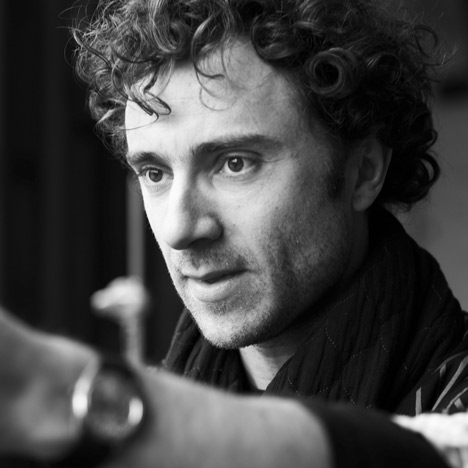
Dizainers, par kuru runā visi: Thomas Heatherwick


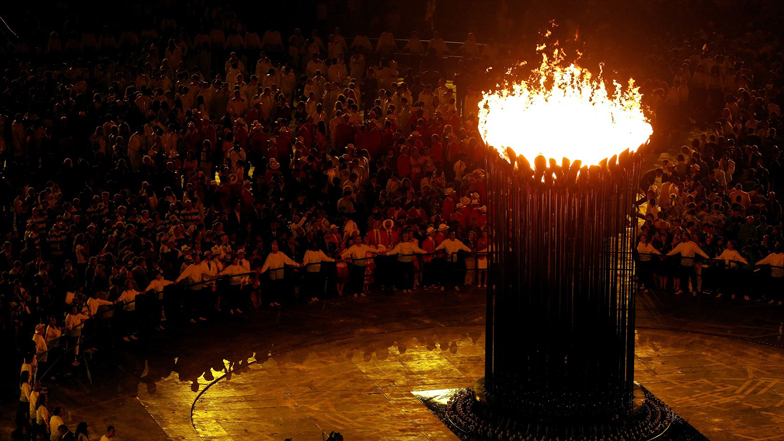
Es vēlējos, lai lāpa ir gandrīz kā viens no David Attenborough ziedu uzplaukšanas attēliem, lai tā ir kā jauns kaktusa, dzīvnieka vai gaļēdāja auga veids.

stāsta Londonas Olimpisko spēļu lāpas dizaina autors Thomas Heatherwick. Dibinot savu studiju 1994. gadā, viņa galvenais mērķis bija apvienot arhitektūru, dizainu un tēlniecību vienā darbnīcā.

Thomas Heatherwick nekad neesot bijis problēmu atbildēt uz saņemtajiem e-pastiem. Tagad 42 gadus vecais dizainers saņemot simtiem ziņu dienā. 
 
Bet, tā kā Londonas Olimpisko spēļu atklāšanas ceremonijā elpa aizrāvās visiem, kuri ieraudzīja olimpisko lāpu, visi arī vēlējās zināt, kurš ir šī meistardarba autors.

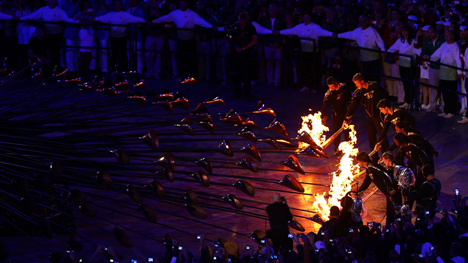
Thomas Heatherwick stāsta, ka, ignorējot padomu netaisīt neko ar kustīgām detaļām, viņš esot padarījis darbu sev un savai komandai no Heatherwick Studio 204 reizes grūtāku. Lāpas dizains sastāv no 204 vara ziedlapām, un katra Olimpisko Spēļu dalībvalsts vienu ziedlapiņu varēs ņemt līdzi mājās. Tā nu Heatherwick Studio darbinieki, veidojot kallu ziediem līdzīgās lāpas sastāvdaļas, esot katru izveidojuši atšķirīgu un individuālu. 

Pats dizainers atzīst, ka lāpa, iespējams, esot vēl sarežģītāka par Šveices pulksteni.


The designer on everybody's lips

I wanted it [the cauldron] to be almost like one of David Attenborough's speeded-up plants, like it's a new kind of cactus or animal or carnivorous plant.

These are the words of the author of the cauldron for London Olympics – Thomas Heatherwick. He founded his studio in 1994 and his main objective was to unite architecture, design and sculpture in one practice.

Thomas Heatherwick never had problems replying to fan mail. Now the 42 year old designer receives hundreds of messages daily.

But as everyone who saw the Olympic cauldron at the opening ceremony of the London Olympics, was completely in awe, everyone also wanted know who is the author behind the masterpiece.

Thomas Heatherwick tells that by ignoring the advice to avoid using moving parts in the design, he made the task 204 time harder for himself and his team from Heatherwick Studio. The cauldron's design consists of 204 copper petals and every country taking part in the Olympics will be able to take one home. Thus by creating the copper lily heads Heatherwich Studio workers made each of them different and individual. 

The designer himself admits that the cauldron is probably more complex than a Swiss watch.